Brake Repair in Northglenn, CO
Keeping Your Brakes in Top Condition
1901 Leroy Drive Unit A,
Northglenn, CO 80233
Monday – Friday: 7:30AM – 5:30PM
Weekends Closed
How Do You Know When Your Brakes Need Attention?
Your brakes are one of the most safety-critical systems on your vehicle, and they rarely fail without warning. At Aligned Automotive Centers, our ASE-certified technicians see consistent warning signs that a driver has been putting off brake service longer than they should. Squealing or grinding noises when you apply the brakes are among the most common indicators that your brake pads have worn down to the point where metal is contacting the rotor. A spongy or soft brake pedal, on the other hand, often points to air in the brake lines or a problem with the master cylinder, both of which require prompt attention. If your vehicle pulls to one side when braking, that can signal a stuck brake caliper or uneven pad wear, while vibration in the steering wheel during braking typically means your brake rotors have developed warping or surface irregularities. A brake warning light on your dashboard should never be ignored. If you notice your stopping distance has increased noticeably, that is a clear signal that your braking system needs a professional evaluation right away. Catching these issues early almost always means a less involved repair and a safer vehicle for you and everyone else on the road.
What Does a Thorough Brake Repair Involve?
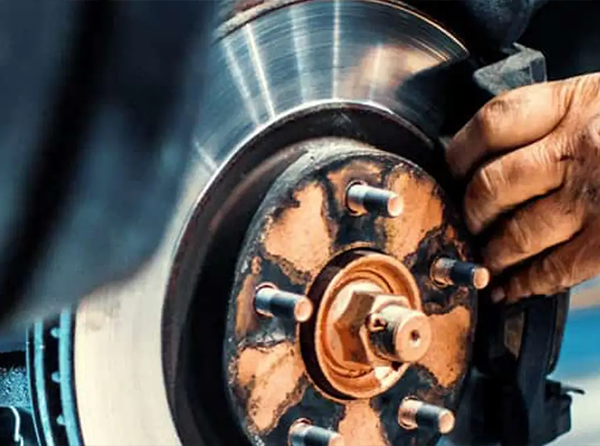
Brake repair is not a one-size-fits-all service, because your vehicle’s braking system is made up of several interconnected components that all need to be evaluated together. During a brake inspection at Aligned Automotive Centers in Northglenn, Colorado, our technicians examine the brake pads and brake rotors for wear and damage, check the brake calipers for proper operation and signs of leaking, inspect the brake lines for corrosion or cracks, and test the brake fluid for moisture contamination that can reduce its effectiveness. Vehicles equipped with drum brakes on the rear axle receive the same thorough attention, including an assessment of the drum surface and wheel cylinder condition. Our team also runs diagnostics on the ABS using computerized equipment to identify any fault codes that could compromise your anti-lock braking performance in an emergency stop. When repairs are needed, we use quality OEM or equivalent parts and provide you with a digital inspection report so you can see exactly what was found and why each recommended service matters. A strong warranty backs every repair, so you leave our shop with confidence in the work that was done.
Related Brake Services Our Shop Provides
Beyond replacing worn brake pads and resurfacing or replacing brake rotors, our team offers a full range of brake-related services to keep your entire stopping system functioning as it should. A brake fluid flush is one of the most overlooked maintenance items on most vehicles; over time, brake fluid absorbs moisture from the atmosphere, which lowers its boiling point and can lead to a spongy pedal feel and reduced braking performance. Caliper replacement is another service we perform regularly, particularly on higher-mileage vehicles where the caliper pistons can seize and cause uneven pad wear or a vehicle that pulls during braking. We also provide ABS diagnostics, emergency brake adjustment, and wheel bearing inspection and replacement, since a worn wheel bearing can mimic brake noise and affect overall vehicle handling. If you are searching for reliable brake repair near me, you can reach our team at (720) 835-2115 or visit us at [location_link. We are open Monday – Friday: 7:30AM – 5:30PM, and we welcome walk-in appointments as well as same-day service when your schedule does not allow for planning. Financing options are also available through Synchrony for customers who need to spread the cost of larger brake repairs over time.
Frequently Asked Questions About Brake Repair